


Today, in the modern world, energy saving is an integral part of the life of a civilized society.This includes taking care of your health, saving money and living a comfortable life.But one of the most important (global) characteristics of energy conservation is the protection of the environment from negative effects.
Energy saving concept
The concept of "energy saving" was used in many countries a long time ago, even in the Soviet period.Today, energy saving is characterized by the conceptual apparatus contained in the main federal law "On energy saving and increasing energy efficiency and amending certain laws".

The basis of energy saving is the energy source as an energy carrier that can be used in any activity.
The federal law on energy conservation also introduces the concept of "secondary energy source", which is an energy source obtained as a result of a technological process that is not aimed at energy production.
Energy saving is any activity aimed at reducing the amount of energy resources used without jeopardizing the main function of their use.
Despite the extreme precision of the definitions, the terms "energy saving" and "energy efficiency" are often confused.In this regard, this section provides a definition of the latter.
Energy efficiency is a set of characteristics that reflect the ratio of the impact of the use of energy sources and the costs of the energy sources themselves.The efficiency of energy saving is characterized, among other things, by the energy efficiency class, which reflects the degree of energy saving usefulness of a product.Special energy surveys are carried out to determine energy efficiency.
Two living areas with a rate of 95 kWh/1 m2.In this regard, changes were introduced that led not only to the regulation of energy consumption, but also to the application of specific energy-efficient solutions in residential and public building projects.
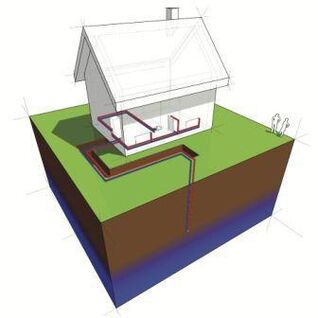
Currently, various energy-efficient solutions are used in residential buildings and social buildings (kindergartens, schools, etc.):
- Devices for automatic measurement of the flow of hot water and coolant are used in the heating system.
- Battery-powered regulators are used, so each resident can set the room temperature at their own discretion.
- The pipelines are insulated to reduce heat loss.
- Ventilation units with a heat recovery system are used.
- The building's cladding includes high-quality insulation and three-chamber double-glazed windows.
In addition to the standardization of building designs, certain measures were developed to encourage energy-efficient housing construction.For example, there are tax benefits for owners of energy-efficient buildings:
- A property with a high energy efficiency class is not included in the tax base for three years from the date of registration.
- The depreciation of such properties can be doubled.
Tariff incentives are also used to encourage the rational use of energy resources by city dwellers.
State information system on energy saving
The "Energy Efficiency" State Information System (GIS) is the collection center for all information on energy saving.It is intended for the population of the country, legal entities, and state employees.In addition to providing information on new energy-efficient solutions, the results of modern innovators, and helping businesses and private homeowners to reduce energy consumption, this platform is also used by government agencies to collect information on the energy consumption of budget organizations.
We implement the latter function through the "Information on energy saving and increasing energy efficiency" module.Here, budgetary organizations and municipalities fill out an energy consumption statement online using the following data:
- Energy passport.
- The basic rules of the organization.
- Organizational headcount table.
- Bills for fuel and energy sources.
- The building's technical passport and BTI data.

This energy saving module allows you to save resources for organizations that have to report to federal authorities on energy resource expenditures, and allows government agencies to quickly and thoroughly analyze and draw conclusions about changes in the country's energy policy.
In conclusion, it is worth noting that energy conservation is not only about saving money.First, it is the care of the tomorrow in which our children must live.